
Read Our Article
Guar Gum Powder for Ice Cream & Frozen Desserts: Preventing Ice Crystals and Improving BodyGuar Gum Powder: Quality Specifications & Microbiological Standards for Industrial Use
Guar Gum Powder: Specifications and Microbiological Criteria for Industrial Use
Guar gum powder is an important ingredient used in a wide range of industrial applications. Its versatility in industries like food processing, oil and gas, pharmaceuticals, textiles and more, can be attributed to its unique chemical properties and natural origins. The product, derived from guar splits, has gained immense popularity due to its thickening, gelling and stabilizing capabilities. For any industry to ensure the highest levels of performance and efficiency, understanding the quality specifications for industrial guar gum powder becomes essential.
Guar gum powder has a natural viscosity that increases with concentration and is highly effective at low concentrations. As such, it finds applications in several industrial sectors, from enhancing the consistency of sauces and dairy products to increasing the efficiency of drilling fluids in the oil and gas industry. However, the quality of guar gum powder varies depending on its source, manufacturing processes and end-use applications. Guar gum manufacturers have specific standards that need to be met to ensure that the product performs optimally across different industrial uses.
Let’s Discuss! Request a Call Now!
 Call Now!
Guar Gum Powder: Quality & Industrial Standards
The demand for guar gum is global, with major guar gum exporters and manufacturers located in regions such as India, where the majority of guar beans are grown. Guar gum powder export price can fluctuate based on factors such as the cost of raw materials, labor and transportation, as well as global market demand. However, maintaining the right quality standards is a top priority for guar gum powder exporters to ensure they meet the specifications expected in international markets.
Industrial guar gum powder needs to meet various specifications related to its physical, chemical and microbiological properties. These standards are not only critical for the performance of the product in different applications but also for meeting the safety and regulatory requirements in the target markets. Quality specifications, such as viscosity, moisture content, ash content and microbial contamination, must be adhered to when preparing guar gum for industrial use. The manufacturing process must be carefully controlled to ensure that these parameters are consistently met.
Guar Gum and Its Role in Meeting Quality Standards
Guar gum manufacturers play a crucial role in maintaining the quality of the product from the moment it is sourced to the point of sale. To ensure that guar gum powder meets international quality standards, manufacturers must employ stringent quality control measures throughout the production process. The selection of guar gum splits, the processing technique and the final powder’s refinement are all factors that determine the quality of the finished product.
The process starts with the careful selection of guar beans, followed by the separation of the guar splits, which are the primary raw material for guar gum powder. These splits are cleaned, milled and processed to extract the guar gum. The guar gum powder manufacturer must then monitor the particle size, purity and consistency to ensure uniformity in each batch. This is crucial because variations in guar gum powder properties can affect the final product’s performance in industrial applications.
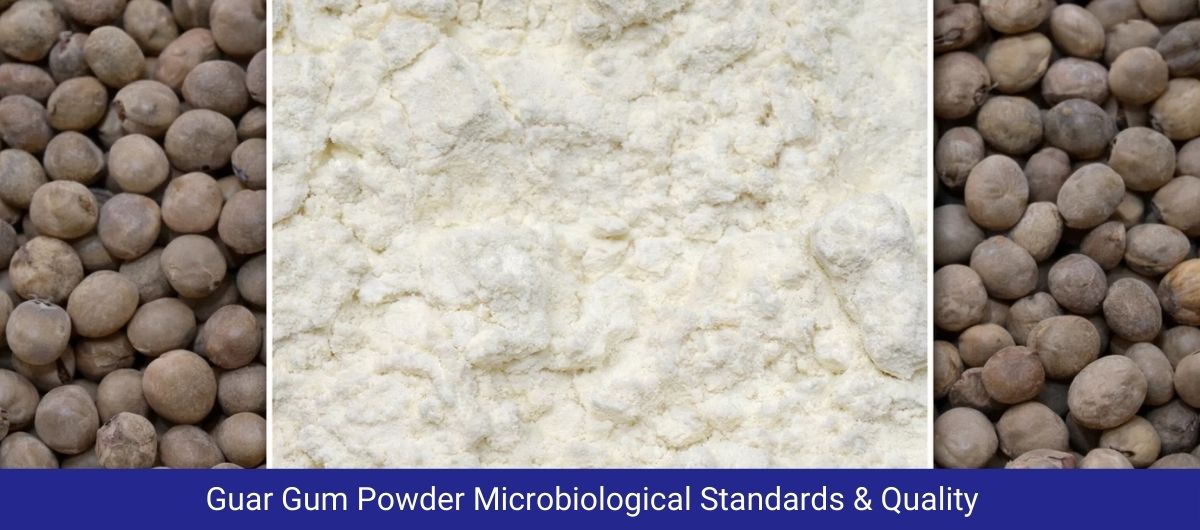
Guar Gum Powder: Microbiological Criteria & Standards
One of the most critical aspects of industrial guar gum powder is its microbiological quality. Given that guar gum is often used in food and pharmaceutical products, ensuring it is free from harmful microorganisms is essential. The microbiological standards for guar gum powder are closely regulated and the product must meet certain requirements before it can be approved for use in these sectors.
Guar gum suppliers must ensure that the guar gum powder meets prescribed microbiological limits for total plate count, yeast, mold and other microbial contaminants. To prevent contamination, the manufacturing facilities need to follow strict hygienic procedures throughout the production cycle. Moreover, regular testing and quality checks must be conducted to ensure that the final product meets these microbiological standards
Our Other Product
Cassia Tora SeedsUse of Guar Gum Powder in Pharmaceutical and Cosmetic Industries
Guar gum also finds extensive use in the pharmaceutical and cosmetic industries. As a natural polymer, it is often used in tablet formulations, lotions, creams and shampoos for its thickening and gelling properties. Pharmaceutical-grade guar gum powder must meet specific quality standards to be deemed suitable for consumption, including minimal microbial contamination and strict moisture control. The use of guar gum in these applications requires it to meet both purity and safety regulations to ensure that no harmful substances are included in the final product.
Guar gum suppliers are responsible for providing consistent and high-quality products that meet these standards. Additionally, many cosmetic manufacturers use guar gum in hair care products for its ability to enhance texture, improve the spreadability of lotions and provide moisturizing benefits to the skin.
Quality Control in Guar Gum Manufacturing
Quality control plays a central role in the production of industrial guar gum powder. Guar gum powder manufacturers must adhere to several parameters to ensure the product remains effective and safe for use in various industrial applications. These include the monitoring of color, particle size distribution, moisture content, viscosity and microbiological levels. Manufacturers typically use advanced analytical techniques such as high-performance liquid chromatography (HPLC) to assess the purity and consistency of the final product.
Additionally, the manufacturing process must be conducted in compliance with local and international standards. For example, in countries like India, where most guar powder is produced, stringent food safety and hygiene regulations must be followed to maintain the product’s high standards. This is important to ensure that guar gum powder meets the expectations of global buyers, especially those in the food and pharmaceutical industries.
Guar Gum Powder Price and Its Influence on Quality
The guar gum powder price can fluctuate due to multiple factors, including changes in the cost of raw materials, processing technologies and demand from different industries. Despite these fluctuations, the price of guar gum remains competitive when compared to other thickening agents. However, a lower price point may often compromise the quality, particularly in terms of microbial contamination and purity. Industrial applications require the highest quality of guar gum, which sometimes means a slightly higher cost to ensure the product meets the necessary specifications.
When buying guar gum powder from a manufacturer or supplier, it is important for industries to balance the cost with the desired quality. Guar gum may perform inadequately, leading to issues in product formulation, which can affect the final output of the manufacturing process. As such, it is crucial to partner with reliable guar gum suppliers who prioritize quality alongside competitive pricing.
We are Fast in Response
Contact Now!
Guar Gum Exporters: Ensuring Global Quality Consistency
The role of guar gum exporters is essential in maintaining the consistency and quality of guar powder across international markets. Exporters need to ensure that their products meet the requirements of different countries, including compliance with import regulations and certifications. As such, exporters must work closely with manufacturers to ensure that only high-quality guar gum powder is shipped overseas.
Since the majority of guar gum production is concentrated in India, guar gum exporters play a key role in the global supply chain. They need to maintain close relationships with guar gum manufacturers to ensure that the product is processed and handled correctly before being shipped to clients worldwide. The quality specifications set by these exporters are aligned with international standards to meet the needs of industries such as food processing, oil drilling and pharmaceuticals.
Our Other Product
Cassia Tora SplitsConclusion
The quality specifications and microbiological standards for guar gum powder are critical to ensuring the performance and safety of the product in industrial applications. With its diverse range of uses in sectors like food, pharmaceuticals, oil and cosmetics, the quality of guar gum must be maintained at the highest levels. Guar gum manufacturers, suppliers and exporters play a vital role in adhering to these standards to meet the needs of global industries. By focusing on rigorous quality control processes, they can ensure that the final product meets the necessary specifications for safety, performance and consistency across various applications.
Share At:




Listen to the Audio Version
0:00 /
0:00