
Read Our Article
How to Use Cassia Gum Powder in Homemade Desserts and SaucesCassia Gum Powder Storage, Shelf Life & Packaging Best Practices for Global Exporters
Cassia Gum Powder Storage: Best Practices for Global Exporters
Cassia Gum Powder is a natural substance derived from the seeds of the Cassia Tora Plant. As global demand increases, exporters must adopt best practices for storage, shelf life and packaging to maintain the quality of Cassia Gum Powder. Proper handling from the point of origin to its final destination is crucial in preventing degradation, contamination and ensuring the product meets international quality standards.
Speak with an Expert
 Call Us Now!
Cassia Gum Powder Shelf Life: Factors Affecting Longevity
Cassia Gum Powder’s shelf life depends on several factors, including storage conditions, moisture content, temperature and packaging. Exporters need to ensure that the Cassia Gum Powder is stored in dry, cool and dark environments to maximize its shelf life. High humidity or temperature fluctuations can cause the powder to degrade, losing its desirable properties. In ideal conditions, Refined Cassia Gum Powder can remain stable for 12-24 months.
One of the primary factors influencing shelf life is moisture content. High moisture levels promote the growth of molds and bacteria, which not only affect the taste and appearance but also reduce the nutritional quality of Cassia Gum Powder. Therefore, controlling moisture during storage and handling is essential. Packaging plays an important role in protecting the product from external moisture, light and air.
Cassia Gum Powder Storage Requirements
To ensure optimal storage conditions, it is critical for Cassia Gum Powder manufacturers and exporters to store their products in airtight containers. Packaging that limits exposure to oxygen and moisture significantly extends the shelf life and preserves the product’s integrity. Metal tins, food-grade plastic containers and vacuum-sealed bags are ideal packaging materials for Cassia Gum Powder.
Cassia Gum Powder should also be kept in a well-ventilated area that avoids direct sunlight and fluctuating temperatures. A stable, cool environment with temperatures ranging between 15-25°C is optimal for storage. Exposing Cassia Tora Splits to heat or cold can result in clumping, color change or loss of its natural properties. Additionally, handling the powder with clean, dry equipment minimizes the risk of contamination and degradation.
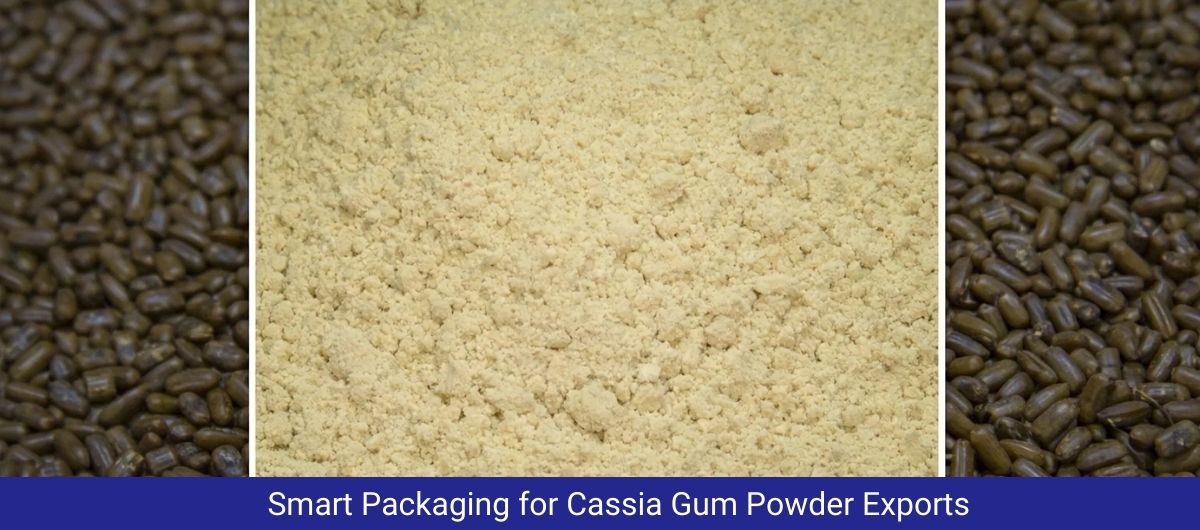
Packaging Best Practices for Cassia Gum Powder Exporters
Packaging plays a pivotal role in maintaining the quality of Cassia Gum Powder throughout the export process. For exporters dealing with bulk quantities, the use of packaging that is both durable and protective ensures the product remains intact during transportation. Vacuum-sealed bags and food-grade polyethylene containers are widely used for packaging, as they provide excellent protection from moisture and contaminants.
For export purposes, it’s essential to clearly label packaging with the necessary details such as batch numbers, production dates and expiration dates. This ensures traceability and helps buyers and distributors track the shelf life and quality of the product. Packaging should also be designed to protect Cassia Powder from physical damage, ensuring that the product arrives in excellent condition.
In addition, environmental regulations and market preferences may dictate specific packaging formats. For example, some countries may require biodegradable packaging or restrict the use of certain plastics. Exporters should always verify packaging regulations in the target market to avoid unnecessary delays or issues during customs clearance.
Our Other Product
Guar Gum PowderCassia Tora Powder Storage: Ensuring Quality During Transit
When exporting Cassia Tora Powder, handling during transit is just as important as storage. Products should be transported in climate-controlled containers to ensure consistent conditions. Shipping containers should also be lined with moisture-proof materials to prevent exposure to humidity. During the shipping process, Cassia Gum Powder must be protected from contamination caused by contact with other goods or exposure to environmental elements like rain or extreme heat.
To maintain product quality, regular inspection of the storage facility and transportation conditions is necessary. Exporters should perform routine quality checks to ensure the storage facility and transport environment meet the required standards. Additionally, opting for insulated and temperature-controlled transportation services can help prevent the degradation of Cassia Powder due to temperature fluctuations during transit.
Cassia Gum Powder Exporters: Working with Trusted Suppliers
For successful international trade, it is essential for Cassia Gum Powder exporters to source their products from reputable suppliers. Reliable Cassia Gum Powder Manufacturers should adhere to strict quality control protocols and ensure that the product is free from contaminants before shipping. Exporters should conduct audits and checks to ensure that their suppliers maintain high production standards and have established traceability systems for the product.
Moreover, working closely with a trusted supplier ensures a steady supply of high-quality Cassia Gum Powder, which is crucial for building long-term business relationships. Maintaining transparency and communication with suppliers helps in resolving any quality issues promptly and ensures the timely delivery of products.
Our Other Product
Fast Hydration Guar Gum PowderCassia Gum Powder Export Documentation and Compliance
Another critical aspect of the export process is adhering to international trade regulations and compliance requirements. Cassia Gum Powder exporters must ensure that their products meet the import standards of the target country. Documentation such as certificates of origin, health and phytosanitary certificates and quality control certifications must be provided to prevent delays at customs. Exporters should also confirm any import restrictions or regulations related to Cassia Gum Powder in the receiving country.
To avoid compliance issues, it is advisable to work with freight forwarders who specialize in agricultural product exports. These experts can help navigate the complexities of international trade regulations and ensure that all necessary documentation is in order.
We are Responsive
Contact Us!
Conclusion:
The storage, shelf life and packaging of Cassia Gum Powder are crucial elements for exporters to consider in maintaining the product’s quality and ensuring its success in global markets. By adhering to proper storage conditions, using high-quality packaging and ensuring compliance with international regulations, Cassia Gum Powder Exporters can confidently offer a product that meets global standards. Exporters who prioritize quality and consistency in both storage and packaging practices will find success in exporting Cassia Gum Powder to diverse markets globally.
